

Table of Contents
ToggleFinding the right gear recommendations can make or break an outdoor experience. Whether someone plans a weekend camping trip or a multi-day hiking expedition, the equipment they carry determines comfort, safety, and overall enjoyment. Quality gear doesn’t always mean expensive gear, it means selecting items that match specific activities, conditions, and personal preferences.
This guide covers practical gear recommendations across multiple categories. Readers will learn how to evaluate their needs, discover must-have items for outdoor activities, explore budget-friendly alternatives, and pick up maintenance tips that extend gear lifespan. Smart choices today lead to better adventures tomorrow.
Key Takeaways
- Match gear recommendations to your actual activities, skill level, and environmental conditions rather than aspirational purchases.
- Invest in quality footwear, backpacks, and sleeping systems—these big-ticket items directly impact safety and comfort for years.
- Use a layering system (base, mid, and outer layers) for versatile weather protection that adapts to changing conditions.
- Save money on gear by shopping used marketplaces, store brands, and seasonal sales without sacrificing performance.
- Always clean and fully dry gear before storage to prevent mold, mildew, and material breakdown.
- Regularly inspect zippers, seams, and waterproof coatings to catch small issues before they become trail-ruining problems.
How to Choose the Right Gear for Your Needs
Selecting gear starts with honest self-assessment. What activities does a person actually do? A casual day hiker needs different equipment than a backcountry mountaineer. The most common mistake people make is buying gear for the person they want to be rather than the adventurer they currently are.
Consider the Activity Type
Different activities demand different gear recommendations. Camping requires shelter, sleeping systems, and cooking equipment. Hiking prioritizes footwear, packs, and hydration. Climbing needs specialized hardware and safety gear. Before purchasing anything, define the primary activity and buy accordingly.
Evaluate Environmental Conditions
Temperature ranges, precipitation levels, and terrain types all influence gear selection. A three-season sleeping bag works for most conditions, but winter camping demands a bag rated to lower temperatures. Desert hiking requires sun protection and extra water capacity. Mountain environments call for layered clothing systems that handle rapid weather changes.
Match Gear to Skill Level
Beginners benefit from forgiving, user-friendly equipment. Advanced users often prefer specialized gear that offers performance advantages but requires more skill to use effectively. A novice backpacker might choose a freestanding tent that’s easy to pitch, while an experienced thru-hiker might opt for a lighter trekking pole shelter.
Factor in Weight and Packability
Every ounce matters on the trail. Ultralight gear recommendations often come with higher price tags and durability trade-offs. Find the balance that works for personal fitness levels and trip durations. Someone doing short day hikes can carry heavier, more comfortable gear. Multi-week expeditions require careful weight management.
Must-Have Gear for Outdoor Activities
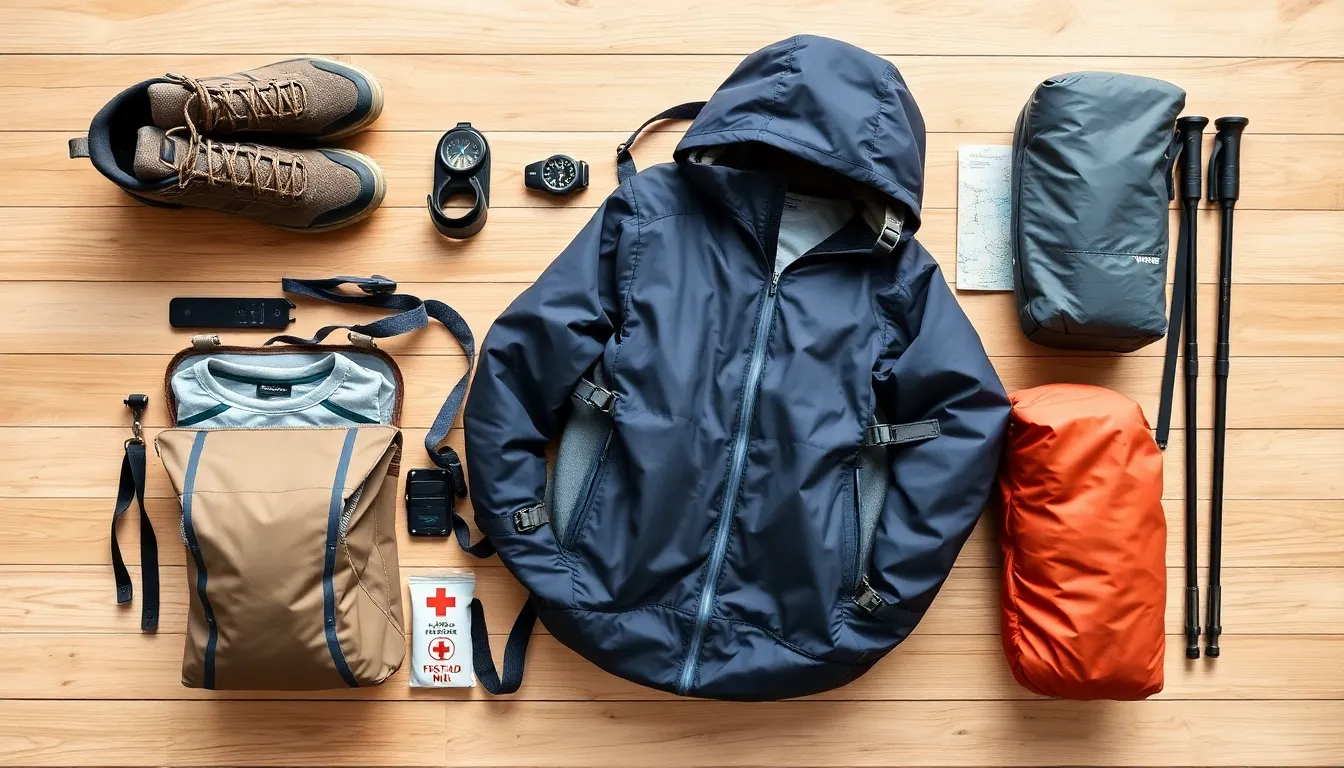
Some gear recommendations apply across nearly all outdoor pursuits. These foundational items deserve investment because they see constant use and directly impact safety and comfort.
Quality Footwear
Feet carry everything. Proper footwear prevents blisters, supports ankles, and provides traction on varied terrain. Trail runners suit fast-and-light hikers on maintained paths. Traditional hiking boots offer ankle support for rough terrain and heavy packs. Break in new footwear before any serious trip, this simple step prevents miserable experiences.
Reliable Backpack
The right pack distributes weight efficiently and provides easy access to essentials. Day packs range from 15-30 liters. Overnight packs fall between 40-65 liters. Extended expedition packs exceed 70 liters. Look for adjustable hip belts, ventilated back panels, and multiple compartments. A poorly fitting pack causes back pain and ruins otherwise great trips.
Weather Protection Layers
Layering systems beat single heavy garments every time. A moisture-wicking base layer moves sweat away from skin. An insulating mid-layer traps body heat. A waterproof outer layer blocks wind and rain. This approach allows quick adjustments as conditions change throughout the day.
Navigation Tools
Even with smartphone GPS apps, carry backup navigation. Paper maps and a compass don’t run out of battery. A handheld GPS device provides redundancy in remote areas. Learn basic map-reading skills before relying solely on electronic gear recommendations.
First Aid Kit
A basic kit handles common trail injuries: blisters, cuts, sprains, and insect bites. Pre-made kits work for most situations. Customize by adding personal medications, extra bandages, and items specific to planned activities. Check expiration dates regularly and replace used supplies immediately after each trip.
Budget-Friendly Options Worth Considering
Quality gear recommendations don’t require unlimited budgets. Strategic shopping and smart compromises make outdoor activities accessible to everyone.
Buy Used Equipment
Gear resale markets offer substantial savings. Sites like REI Used, GearTrade, and Facebook Marketplace list quality equipment at 40-70% off retail prices. Inspect used gear carefully for damage, but don’t fear normal wear. A slightly scuffed tent fly performs identically to a pristine one.
Start with Store Brands
Major outdoor retailers sell house-brand equipment that performs well at lower price points. REI Co-op, Decathlon, and Amazon Basics lines offer solid gear recommendations for beginners. These products often use similar materials to premium brands but skip fancy features most users never need.
Prioritize Big-Ticket Items
Spend more on gear that directly affects safety and comfort. A quality sleeping bag keeps someone warm for a decade. A cheap bag might fail during a cold night. Invest in footwear, backpacks, and shelter. Save money on accessories, utensils, and clothing basics.
Wait for Sales
Outdoor retailers run predictable sales cycles. End-of-season clearances offer 30-50% discounts. Holiday sales (Memorial Day, Labor Day, Black Friday) bring additional savings. Sign up for email lists and wait for deals on non-urgent purchases. Patience pays off with gear recommendations that fit any budget.
Consider Multipurpose Items
A bandana serves as a sweat rag, pot holder, water filter pre-filter, and emergency bandage. A trekking pole doubles as a tent support. Smart gear choices reduce overall pack weight and total cost.
Tips for Maintaining and Storing Your Gear
Proper care extends equipment lifespan dramatically. The best gear recommendations mean nothing if items fail due to neglect.
Clean After Every Trip
Remove dirt, salt, and sweat promptly. Brush off dried mud from footwear and tent floors. Wipe down metal components to prevent corrosion. Hand wash technical fabrics with appropriate cleaners, standard detergents damage waterproof coatings and insulation.
Dry Thoroughly Before Storage
Moisture causes mold, mildew, and material breakdown. Hang tents and sleeping bags in ventilated areas until completely dry. Open backpack compartments and allow airflow. Never store damp gear in stuff sacks or compression bags. This single habit prevents more damage than any other maintenance practice.
Store Loosely in Cool, Dry Spaces
Compression degrades insulation over time. Store sleeping bags hanging or loosely stuffed in large cotton sacks. Keep tents in mesh bags rather than tight stuff sacks. Avoid attics, basements, and garages where temperature extremes and humidity damage materials.
Inspect and Repair Regularly
Check zippers, seams, and buckles before each trip. Small tears become big problems in the field. Seam sealer fixes minor leaks. Patches repair fabric damage. Most gear manufacturers sell repair kits specific to their products. Address issues immediately rather than during a rainstorm.
Refresh Waterproofing
Durable water repellent (DWR) coatings wear off over time. Restore them with spray-on or wash-in treatments. Signs of failing DWR include fabric that wets out (absorbs water rather than beading). Regular treatment maintains performance and extends garment life significantly.


