

Table of Contents
ToggleSleep optimization for beginners starts with understanding one basic truth: how people sleep matters as much as how long they sleep. Many adults struggle with poor rest even though spending seven or eight hours in bed each night. The problem often isn’t time, it’s technique.
This guide covers the essential elements of better sleep. Readers will learn why sleep quality trumps duration, how to create the right bedroom conditions, and which daily habits support deeper rest. These strategies require no special equipment or major lifestyle overhauls. Most people can carry out them tonight and notice improvements within days.
Key Takeaways
- Sleep optimization for beginners starts with prioritizing sleep quality over duration—six hours of deep rest beats nine hours of fragmented sleep.
- Keep your bedroom cool (60-67°F), dark, and quiet to create the ideal environment for restorative sleep.
- Maintain a consistent sleep schedule, even on weekends, to align with your body’s natural circadian rhythm.
- Cut off caffeine by early afternoon and avoid alcohol before bed, as both disrupt your sleep cycles.
- Create a wind-down routine with calming activities like reading or stretching to signal your brain it’s time for rest.
- Morning sunlight exposure helps regulate your internal clock and makes falling asleep easier at night.
Why Sleep Quality Matters More Than Quantity
The eight-hour rule has dominated sleep advice for decades. But research tells a more nuanced story. A person who sleeps six hours of deep, uninterrupted rest often wakes up more refreshed than someone who tosses and turns for nine.
Sleep quality refers to how efficiently the body moves through its natural sleep cycles. Each night, sleepers pass through multiple stages: light sleep, deep sleep, and REM sleep. Deep sleep repairs muscles and strengthens the immune system. REM sleep consolidates memories and regulates mood. When these cycles get disrupted, by noise, stress, or poor habits, the body misses out on critical restoration.
A 2023 study published in Sleep Health found that sleep efficiency (time asleep divided by time in bed) predicted next-day energy levels better than total sleep duration. Participants with 85% sleep efficiency reported higher alertness than those with 75% efficiency, regardless of hours logged.
So what does this mean for sleep optimization? Beginners should focus less on chasing a specific number and more on reducing nighttime awakenings. Waking up repeatedly fragments sleep cycles and prevents the brain from reaching its deepest, most restorative states.
Signs of poor sleep quality include:
- Feeling tired even though adequate time in bed
- Waking up multiple times during the night
- Taking more than 30 minutes to fall asleep
- Feeling groggy for hours after waking
Recognizing these patterns is the first step toward fixing them.
Creating Your Ideal Sleep Environment
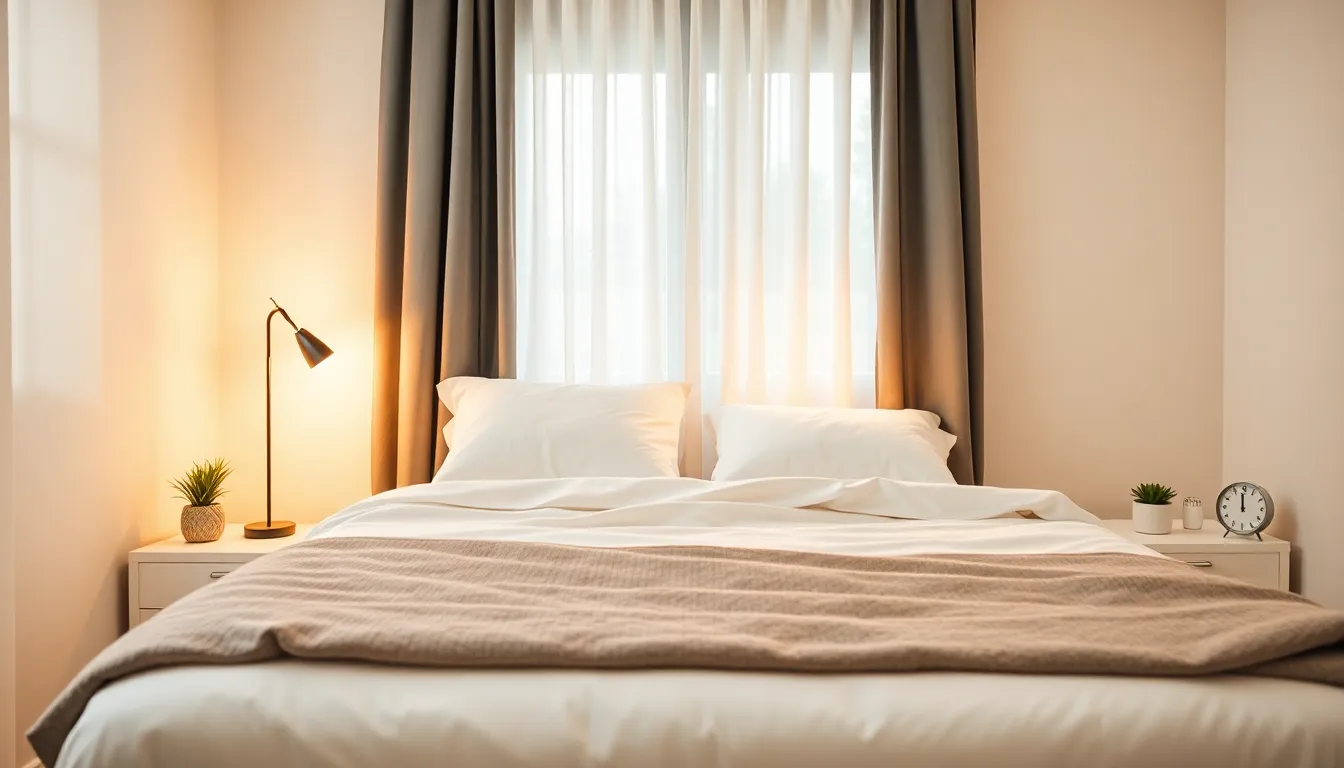
The bedroom plays a significant role in sleep optimization. Beginners often overlook environmental factors that silently sabotage their rest.
Temperature
The ideal sleep temperature falls between 60-67°F (15-19°C). This range supports the body’s natural temperature drop during sleep. A room that’s too warm prevents this cooling process and leads to restlessness. People who run hot should consider breathable bedding materials like cotton or linen.
Darkness
Light exposure suppresses melatonin production. Even small amounts of light from electronics, streetlamps, or hallway fixtures can interfere with sleep quality. Blackout curtains or a well-fitted sleep mask create the darkness the brain needs to produce adequate melatonin.
Sound
Some people sleep through anything. Others wake at the slightest creak. For sensitive sleepers, white noise machines or fans provide consistent background sound that masks sudden noises. Earplugs work well for those who prefer silence.
The Mattress and Pillows
An uncomfortable bed makes quality sleep nearly impossible. Mattresses lose support after 7-10 years. Pillows should keep the neck aligned with the spine, the right height depends on preferred sleeping position. Side sleepers need thicker pillows than back sleepers.
Screen-Free Zone
Phones, tablets, and laptops emit blue light that tricks the brain into thinking it’s daytime. Keeping devices out of the bedroom removes temptation and reduces light exposure. It also breaks the mental association between bed and screen time.
Building a Consistent Sleep Schedule
The body runs on an internal clock called the circadian rhythm. This clock regulates when people feel sleepy and when they feel alert. Sleep optimization works best when daily habits align with this natural rhythm.
Going to bed and waking up at the same time each day, including weekends, trains the body to expect sleep at predictable times. Irregular schedules confuse the circadian rhythm and make falling asleep harder.
Beginners should pick a realistic bedtime they can maintain consistently. Someone who naturally stays up until midnight won’t succeed with a 9 PM bedtime. Gradual adjustments work better than dramatic changes. Moving bedtime earlier by 15-30 minutes each week gives the body time to adapt.
Morning light exposure reinforces the sleep schedule. Sunlight signals the brain that the day has started and sets the clock for sleepiness 14-16 hours later. A brief walk outside after waking, even on cloudy days, helps cement consistent sleep timing.
The weekend catch-up trap derails many sleep schedules. Sleeping in until noon on Saturday creates “social jet lag” that makes Monday mornings brutal. Keeping wake times within one hour of the weekday schedule prevents this problem while still allowing some flexibility.
Daily Habits That Improve Sleep
Sleep optimization extends beyond bedtime. Daytime choices affect nighttime rest in powerful ways.
Caffeine timing matters. Caffeine has a half-life of about five hours, meaning half of that afternoon coffee is still circulating at bedtime. Most sleep experts recommend cutting off caffeine by early afternoon, 1 or 2 PM works for most people.
Exercise promotes deeper sleep. Regular physical activity increases time spent in deep sleep stages. But, intense workouts within two hours of bedtime can be stimulating. Morning or afternoon exercise provides the benefits without the interference.
Alcohol disrupts sleep architecture. A nightcap might help someone fall asleep faster, but alcohol fragments sleep during the second half of the night. It also suppresses REM sleep. The relaxation benefit isn’t worth the trade-off for those prioritizing sleep quality.
Heavy meals close to bedtime cause problems. Digestion requires energy and can cause discomfort when lying down. Finishing dinner at least three hours before bed gives the body time to process food.
A wind-down routine signals the brain. The transition from daily activity to sleep shouldn’t be abrupt. Reading, gentle stretching, or taking a warm bath creates a buffer zone. These activities lower heart rate and cortisol levels, preparing the body for rest.
Stress management affects sleep profoundly. Racing thoughts keep many people awake. Journaling before bed helps offload worries. Some find that writing tomorrow’s to-do list prevents the mental rehearsal that delays sleep.


