

Table of Contents
ToggleSleep optimization ideas can transform restless nights into restorative ones. Quality sleep affects everything from mental clarity to physical health. Yet millions of people struggle to get the rest they need. The good news? Small, practical changes often yield significant results. This guide covers proven strategies for better sleep, from bedroom setup to daily habits. Whether someone battles insomnia or simply wants deeper rest, these approaches offer real solutions.
Key Takeaways
- Keep your bedroom cool (60-67°F) and dark to support natural melatonin production and deeper sleep.
- Stick to consistent sleep and wake times—even on weekends—to strengthen your circadian rhythm and fall asleep faster.
- Avoid screens for at least one hour before bed, as blue light suppresses the sleep hormone melatonin.
- Stop caffeine intake by early afternoon since its effects can linger for 5-6 hours and disrupt nighttime rest.
- Create a simple wind-down routine like reading or light stretching to signal your brain that sleep is approaching.
- These sleep optimization ideas work best when combined—small, consistent changes lead to significantly better rest.
Create an Ideal Sleep Environment
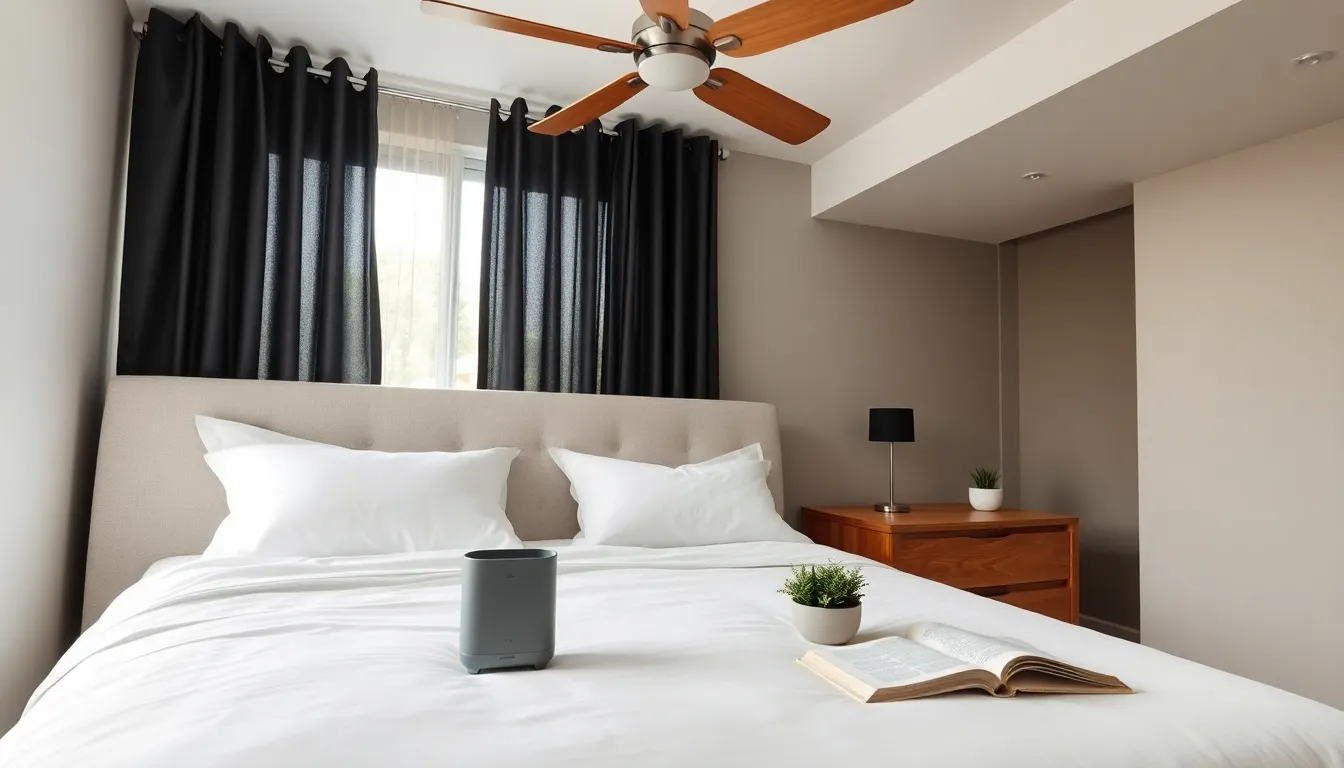
The bedroom plays a crucial role in sleep quality. A few adjustments can turn any space into a sleep-friendly zone.
Temperature Control
Most people sleep best in cool rooms. Research suggests the ideal bedroom temperature falls between 60-67°F (15-19°C). Bodies naturally drop in temperature during sleep, so a cooler room supports this process. A fan or air conditioning unit helps maintain consistent temperatures throughout the night.
Light Management
Darkness signals the brain to produce melatonin, the sleep hormone. Blackout curtains block street lights and early morning sun. Those who can’t install curtains might try a quality sleep mask instead. Even small light sources like charging indicators can disrupt sleep, covering or removing them makes a difference.
Sound Considerations
Complete silence works for some sleepers, while others benefit from white noise. A consistent sound backdrop masks sudden noises like traffic or neighbors. White noise machines, fans, or smartphone apps all serve this purpose. The key is consistency, the brain learns to filter out predictable sounds.
Mattress and Bedding Quality
An uncomfortable mattress undermines every other sleep optimization idea. Most mattresses need replacement every 7-10 years. Pillows matter too, they should support the natural curve of the neck. Breathable cotton or bamboo sheets help regulate body temperature throughout the night.
Establish a Consistent Sleep Schedule
The body’s internal clock, called the circadian rhythm, thrives on routine. Irregular sleep patterns confuse this system and reduce sleep quality.
Set Fixed Wake and Sleep Times
Going to bed and waking up at the same times daily, even on weekends, strengthens circadian rhythm. This consistency helps people fall asleep faster and wake feeling more refreshed. A one-hour variation is acceptable, but larger swings on weekends create “social jet lag” that takes days to recover from.
Calculate Sleep Cycles
Sleep occurs in 90-minute cycles. Waking mid-cycle often causes grogginess, even after adequate total sleep. Working backward from the desired wake time helps identify optimal bedtimes. Someone wanting to wake at 6:30 AM might aim for 11:00 PM (five full cycles) or 12:30 AM (four cycles) rather than midnight.
Handle Shift Work Strategically
Shift workers face unique challenges with sleep optimization. Those with rotating schedules should expose themselves to bright light during shifts and wear blue-light-blocking glasses before their sleep period. Keeping the same sleep schedule during days off, when possible, also helps maintain rhythm.
Optimize Your Pre-Sleep Routine
What happens in the hours before bed directly affects sleep quality. A solid wind-down routine prepares both mind and body for rest.
Limit Screen Time
Electronic screens emit blue light that suppresses melatonin production. Experts recommend avoiding phones, tablets, and computers for at least one hour before bed. If screen use is unavoidable, blue-light-filtering glasses or device settings like “night mode” reduce the impact.
Create a Wind-Down Ritual
The brain responds well to predictable patterns. A consistent pre-sleep routine, perhaps reading, light stretching, or a warm bath, signals that sleep is approaching. This routine doesn’t need to be elaborate. Even 15-20 minutes of intentional relaxation helps.
Manage Racing Thoughts
Anxiety and racing thoughts keep many people awake. Writing tomorrow’s to-do list before bed can offload mental concerns. Some find journaling helpful, putting worries on paper makes them feel more manageable. Breathing exercises or guided meditation apps also calm an overactive mind.
Nutrition and Lifestyle Factors That Affect Sleep
Daily choices around food, drinks, and activity levels significantly impact nighttime rest. Smart adjustments here support sleep optimization from the inside out.
Watch Caffeine and Alcohol Intake
Caffeine has a half-life of about 5-6 hours, meaning half of it remains in the system that long after consumption. Afternoon coffee can still affect sleep at midnight. Alcohol poses different problems, while it may help people fall asleep initially, it disrupts sleep cycles later in the night and reduces REM sleep quality.
Time Meals Appropriately
Large meals close to bedtime force the digestive system to work when it should be resting. Eating dinner 2-3 hours before bed gives the body time to process food. If hunger strikes later, small snacks containing tryptophan (like turkey, nuts, or dairy) may actually support sleep.
Exercise Regularly, But Time It Right
Regular physical activity improves sleep quality and duration. But, intense workouts within 2-3 hours of bedtime can be stimulating. Morning or afternoon exercise offers the most sleep benefits. Gentle evening activities like yoga or walking don’t typically cause problems.
Consider Natural Sleep Aids
Some people find relief with supplements like magnesium or melatonin. Magnesium supports muscle relaxation and nervous system calm. Melatonin supplements can help reset circadian rhythms, especially after travel or schedule changes. Consulting a healthcare provider before starting any supplement is wise.


