

Table of Contents
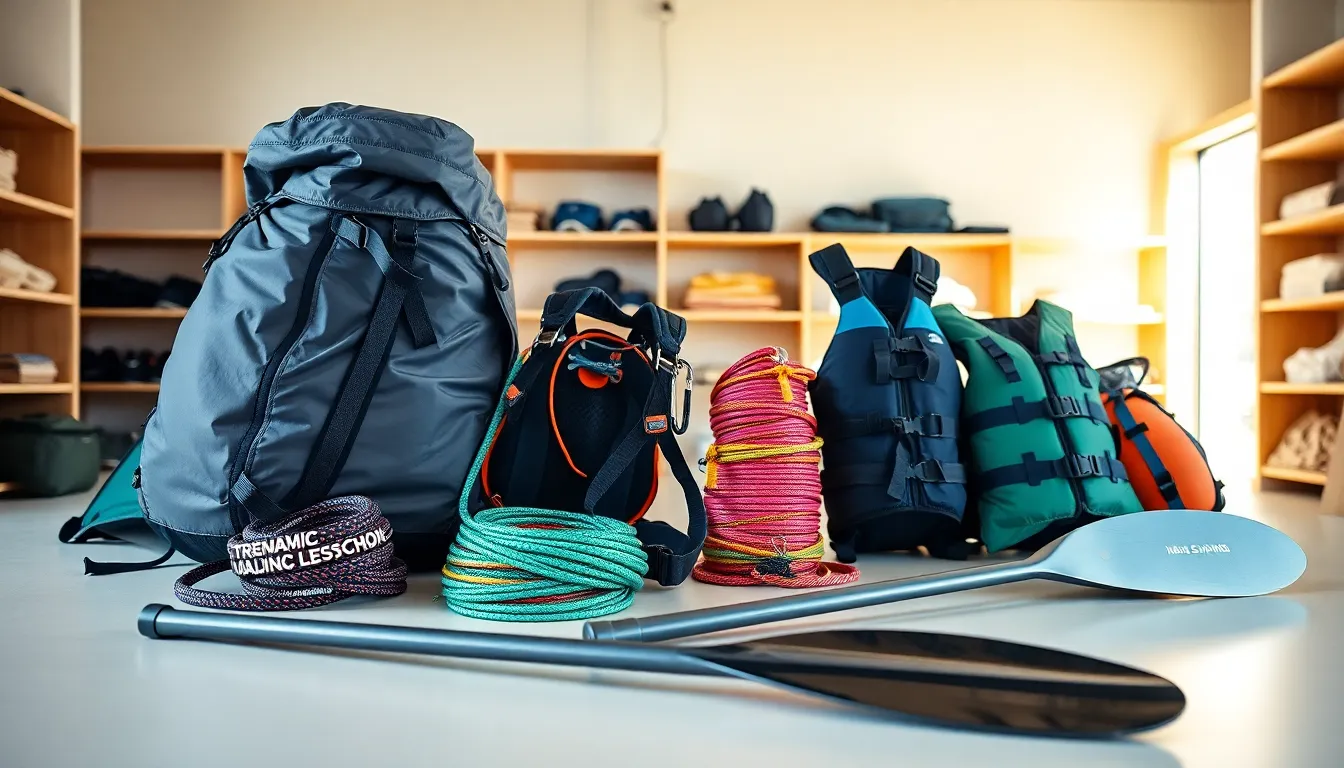
ToggleFinding the right top gear recommendations can make or break an outdoor adventure. Whether someone plans to hike mountain trails, scale rock faces, or paddle through rapids, the equipment they carry determines their safety and comfort.
The outdoor gear market offers thousands of products. This variety creates both opportunity and confusion. Smart adventurers know that quality gear serves them for years, while cheap alternatives fail at critical moments.
This guide covers essential equipment across four major outdoor categories. Each section provides specific product types and selection criteria. Readers will learn what separates good gear from great gear, and how to invest wisely in their outdoor pursuits.
Key Takeaways
- Quality top gear recommendations prioritize safety, durability, and performance across camping, climbing, and water sports activities.
- Invest in proper backpacks, shelter systems, and layered clothing as the foundation for any outdoor adventure.
- Climbing gear must meet strict safety standards—always inspect harnesses, ropes, and hardware before each use.
- Water sports equipment like PFDs and dry bags are essential for safety, and all gear should be rinsed with freshwater after saltwater exposure.
- Mid-range products from reputable brands typically offer the best value, lasting 5–10 years with proper care.
- Consider renting or buying quality used gear to test preferences before making major investments.
Essential Camping and Hiking Gear
Camping and hiking form the foundation of most outdoor activities. The right top gear recommendations start here because these basics support every other adventure.
Backpacks and Carrying Systems
A quality backpack distributes weight across the hips and shoulders. Day hikers need 20-30 liter packs with hydration compatibility. Multi-day trekkers require 50-70 liter packs with internal frames and load-lifter straps.
Look for packs with adjustable torso lengths. This feature ensures proper fit across different body types. Ventilated back panels reduce sweat buildup during long hauls.
Shelter and Sleep Systems
Tents fall into three categories: three-season, four-season, and ultralight. Three-season tents handle spring through fall conditions. Four-season models withstand snow loads and high winds. Ultralight options sacrifice some durability for reduced pack weight.
Sleeping bags use down or synthetic insulation. Down offers superior warmth-to-weight ratios but loses effectiveness when wet. Synthetic fills maintain warmth in damp conditions and cost less.
Sleeping pads provide insulation from cold ground. R-values measure thermal resistance, aim for R-4 or higher for cold-weather camping.
Footwear and Clothing Layers
Hiking boots support ankles on uneven terrain. Trail runners work well for maintained paths and fast-packing. Break in new footwear before any major trip.
The layering system includes base layers, insulation, and shell garments. Merino wool base layers regulate temperature and resist odor. Synthetic or down mid-layers trap body heat. Waterproof shells block rain and wind.
These top gear recommendations form the core of any camping kit. Quality items in these categories last five to ten years with proper care.
Must-Have Climbing and Adventure Equipment
Climbing demands specialized gear that meets strict safety standards. Top gear recommendations in this category prioritize reliability over convenience.
Harnesses and Protection
Climbing harnesses connect the body to rope systems. Sport climbing harnesses feature minimal padding for lightweight performance. Trad and big-wall harnesses add gear loops and comfort features for long routes.
Helmet use prevents serious head injuries from falling rocks and impact falls. Modern climbing helmets weigh under 300 grams and provide full-coverage protection.
Belay devices control rope during climbing and rappelling. Assisted-braking devices like the Petzl GriGri add safety margins for newer climbers.
Ropes and Hardware
Dynamic ropes stretch to absorb fall energy. Single ropes between 9.4mm and 10.2mm diameter suit most sport and trad climbing. Thinner ropes reduce weight but wear faster.
Carabiners connect system components. Locking carabiners secure critical connections like belay anchors. Non-locking quickdraws speed protection placement on routes.
Cams and nuts protect traditional climbing routes. A standard rack includes cams from 0.3 to 3 inches and a set of passive nuts. Local climbing areas often require specific size ranges.
Navigation and Communication
GPS devices track location and record routes. Dedicated units offer better battery life and durability than smartphones. Satellite communicators enable emergency contact in remote areas.
These top gear recommendations address the technical demands of vertical pursuits. Climbers should inspect all equipment before each use and retire items that show wear or damage.
Best Gear for Water Sports and Activities
Water activities require equipment that handles moisture, pressure, and changing conditions. Top gear recommendations here focus on safety and performance in aquatic environments.
Paddling Equipment
Kayaks come in sit-on-top and sit-inside designs. Sit-on-top models offer easy entry and exit for recreational paddling. Sit-inside kayaks provide better control and protection in rough water.
Stand-up paddleboards (SUPs) range from all-around shapes to specialized touring and surfing designs. Inflatable SUPs pack down for transport. Rigid boards deliver superior performance.
Paddles affect efficiency more than most paddlers realize. Lightweight carbon fiber paddles reduce fatigue on long trips. Proper paddle length depends on boat type and paddler height.
Safety and Flotation
Personal flotation devices (PFDs) save lives. Type III PFDs allow freedom of movement for active paddling. Inflatable PFDs offer low-profile comfort but require regular inspection.
Dry bags protect electronics, clothing, and food from water exposure. Roll-top closures create reliable seals. Color-coded bags help organize gear by category.
Wetsuits and drysuits protect against cold water immersion. Wetsuits trap a thin water layer that body heat warms. Drysuits seal completely and allow layering underneath.
Snorkeling and Diving Basics
Masks should create a seal without pressure points. Tempered glass lenses resist impact and fogging. Low-volume masks clear water more easily.
Snorkels with purge valves simplify clearing. Dry-top designs prevent water entry during surface swimming.
These top gear recommendations support safe enjoyment of lakes, rivers, and oceans. Water sports equipment requires freshwater rinsing after each saltwater use.
How to Choose Quality Gear That Lasts
Smart purchasing decisions extend the value of top gear recommendations. Several factors indicate quality and longevity.
Materials and Construction
Fabric denier ratings indicate durability. Higher denier numbers mean thicker, more abrasion-resistant materials. Ripstop weaves prevent small tears from spreading.
Seam construction affects waterproofing and strength. Taped seams block moisture penetration. Bar-tack reinforcement prevents stress-point failures.
Zippers often fail before fabric does. YKK zippers set the industry standard for reliability. Water-resistant zippers protect gear in wet conditions.
Brand Reputation and Warranty
Established brands stake their reputation on product performance. Companies like Patagonia, Black Diamond, and REI stand behind their products. These top gear recommendations come from manufacturers with proven track records.
Warranty terms reveal manufacturer confidence. Lifetime warranties signal expected durability. Limited warranties define specific coverage periods and conditions.
Value Versus Price
The cheapest option rarely provides the best value. Budget gear often requires replacement within one or two seasons. Mid-range products from respected brands typically offer the best cost-per-use ratio.
Used gear markets offer quality equipment at reduced prices. Inspect secondhand items carefully for wear, damage, and remaining service life. Safety-critical items like ropes and harnesses should always be purchased new.
Renting allows trial before major purchases. Many outdoor shops offer rental programs for camping, climbing, and water sports equipment. This approach helps adventurers identify preferences before investing.


